Crystal: Murano Glass Blowers
In the year 1291, the Grand Council of Venice banished every glassmaker from the city proper to a cluster of seven marshy islands 1.5 kilometers north: Murano. Ostensibly an urban fire prevention safety measure, it was in reality an act of high-stakes industrial espionage confinement.
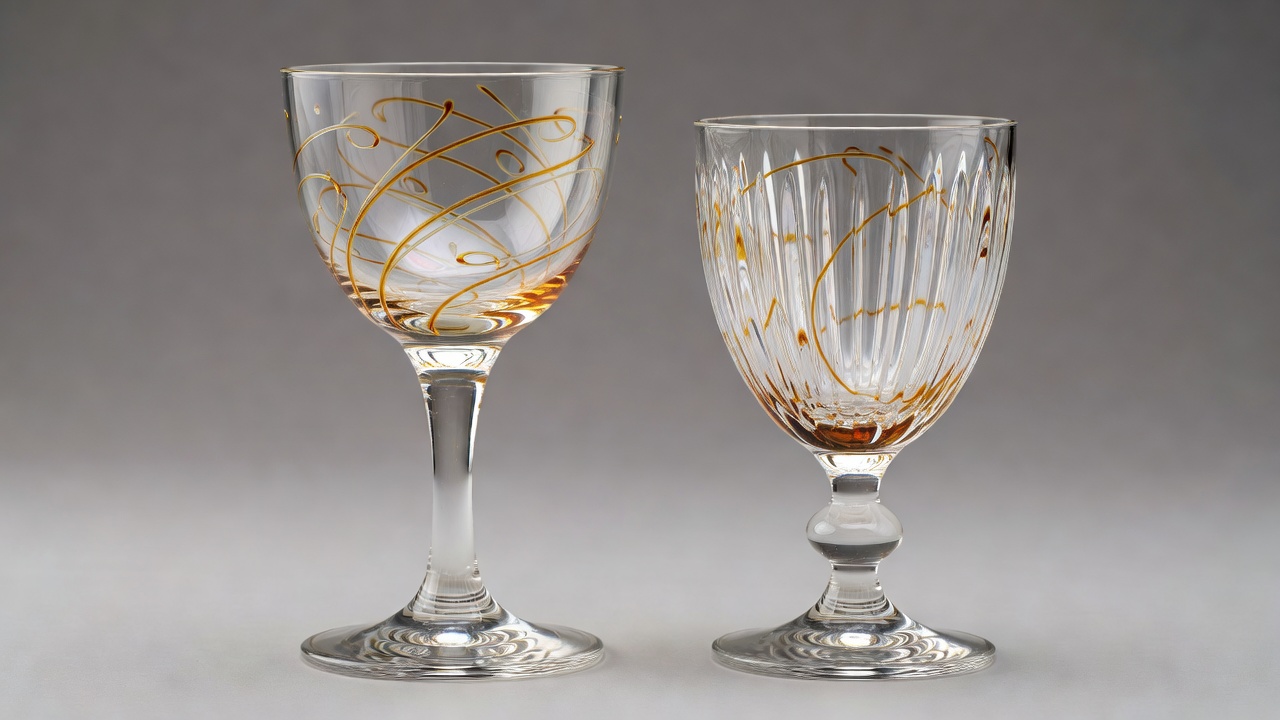
The Island Enclave: High Privilege and Capital Punishment
By confining furnaces to Murano, the Venetian Republic could rigorously prevent foreign ambassadors and rival guilds from observing crucible mixtures, blowing techniques, and mold chemistry. Glassmakers were granted extraordinary social status: they were allowed to carry swords, immune from prosecution by ordinary magistrate courts, and their daughters were permitted to marry into Venetian noble patrician families.
However, the gilded cage had lethal walls. Under the statutes of the Council of Ten, any glass master who fled the island to practice his art abroad was ordered to return. If he refused, his closest relatives were imprisoned. If he persisted, state assassins were dispatched to neutralize the breach of state trade secret.
Murano Vitreous Heritage Specifications
- Decree of Confinement1291 (Venetian Maggior Consiglio)
- Inventive MilestoneCristallo Glass (Angelo Barovier, c. 1450)
- Mineral Raw MaterialsTicino River Quartz Pebbles + Levantine Plant Ash
- Distinctive SpecializationsMillefiori, Filigrana, Aventurine, Lattimo
- Regional Verification StandardMarchio Vetro Artistico Murano (Legge Regionale n. 70/94)
Angelo Barovier and the Invention of Cristallo
Prior to the mid-15th century, European glass was cloudy, green-tinted, and brittle due to heavy iron impurities and unrefined potash. Around 1450, Murano maestro Angelo Barovier refined a revolutionary process using bleached plant ash (from coastal maritime halophytes) purified through repeated boiling and crystallization.
Combined with pulverized white quartz pebbles gathered from alpine riverbeds and manganese decolorizers (dubbed "glassmaker's soap"), Barovier produced cristallo: an entirely transparent, malleable soda glass that could be blown into paper-thin, undulating vessels of breathtaking delicacy. For over two centuries, no other nation in Europe could replicate this clarity, cementing Venice as the undisputed luxury supplier to every European court.
Filigrana & Reticello Techniques
By inserting white or colored glass rods into clear hot glass blanks and twisting them in opposing rotations, Murano masters developed lattice-work patterns that appeared suspended within solid crystal.
The Secret of Aventurine
Invented in Murano in the early 17th century, aventurine glass incorporated microscopic copper crystals that separated under precise cooling curves, creating a shimmering golden interior glow.
Modern Safeguarding: Vetro Artistico Murano
Industrial mold-pressed imports from outside Europe have challenged Murano's survival. To protect collectors and authentic workshops, the Veneto Region instituted the official trademark Vetro Artistico Murano under Regional Law No. 70 of December 23, 1994.
Managed by the Consorzio Promovetro Murano, genuine creations bear a serialized, tamper-evident holographic seal featuring a unique producer code. This system guarantees that the object was shaped by hand using traditional batch furnaces on Murano island, preserving an unbroken 735-year lineage of pyro-technology and vitreous sculpture.